December 23, 2025
Improving comfort and energy efficiency does not always require major remodeling. Strategic insulation upgrades can make a meaningful difference in how a home performs day-to-day while keeping disruptions to a minimum. By focusing on areas that lose the most heat or allow drafts, insulation contractors can elevate a home's comfort and efficiency without altering its structure.
Improving Home Comfort With Insulation Contractors
Evaluating Home Energy Loss With Professional Inspections
Insulation professionals evaluate where a home is losing energy and determine the most effective ways to improve performance. Their work often begins with inspecting key areas such as attics, walls, and crawlspaces to identify gaps, thin spots, or aging materials that are no longer performing well. From there, contractors recommend solutions that enhance efficiency, help regulate indoor temperatures, and support overall comfort, and they explain how different areas of the home interact to influence performance.
Selecting Appropriate Insulation Materials for Existing Homes
Upgrading an older home usually involves materials that integrate smoothly with existing structures. Common options include fiberglass, blown-in insulation, and spray foam. Each material functions differently, which allows insulation contractors to match the right option to the home's energy-loss patterns.
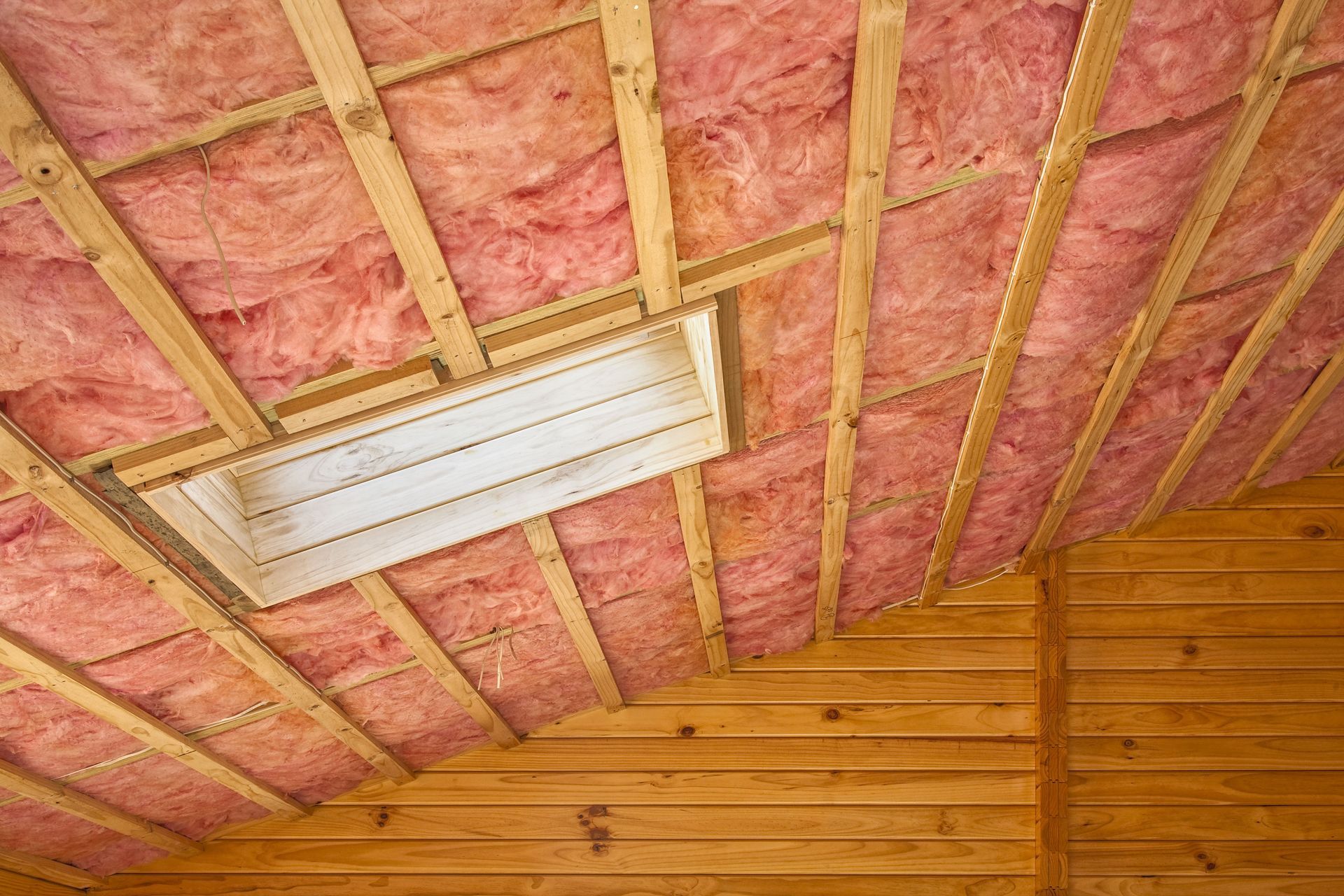
- Fiberglass insulation, often used in wall cavities and open areas, provides consistent coverage and performs well when installed properly. It can be applied in a range of spaces, allowing it to support several types of upgrades throughout the home. Its versatility makes it a practical choice for reinforcing older insulation that has shifted or settled.
- Blown-in insulation, ideal for attics or filling voids in older walls, adapts to irregular spaces with ease. It offers good coverage without requiring major structural changes, which makes it appealing for many older homes. Because it can fill small gaps, it often supports a more even indoor climate across different seasons.
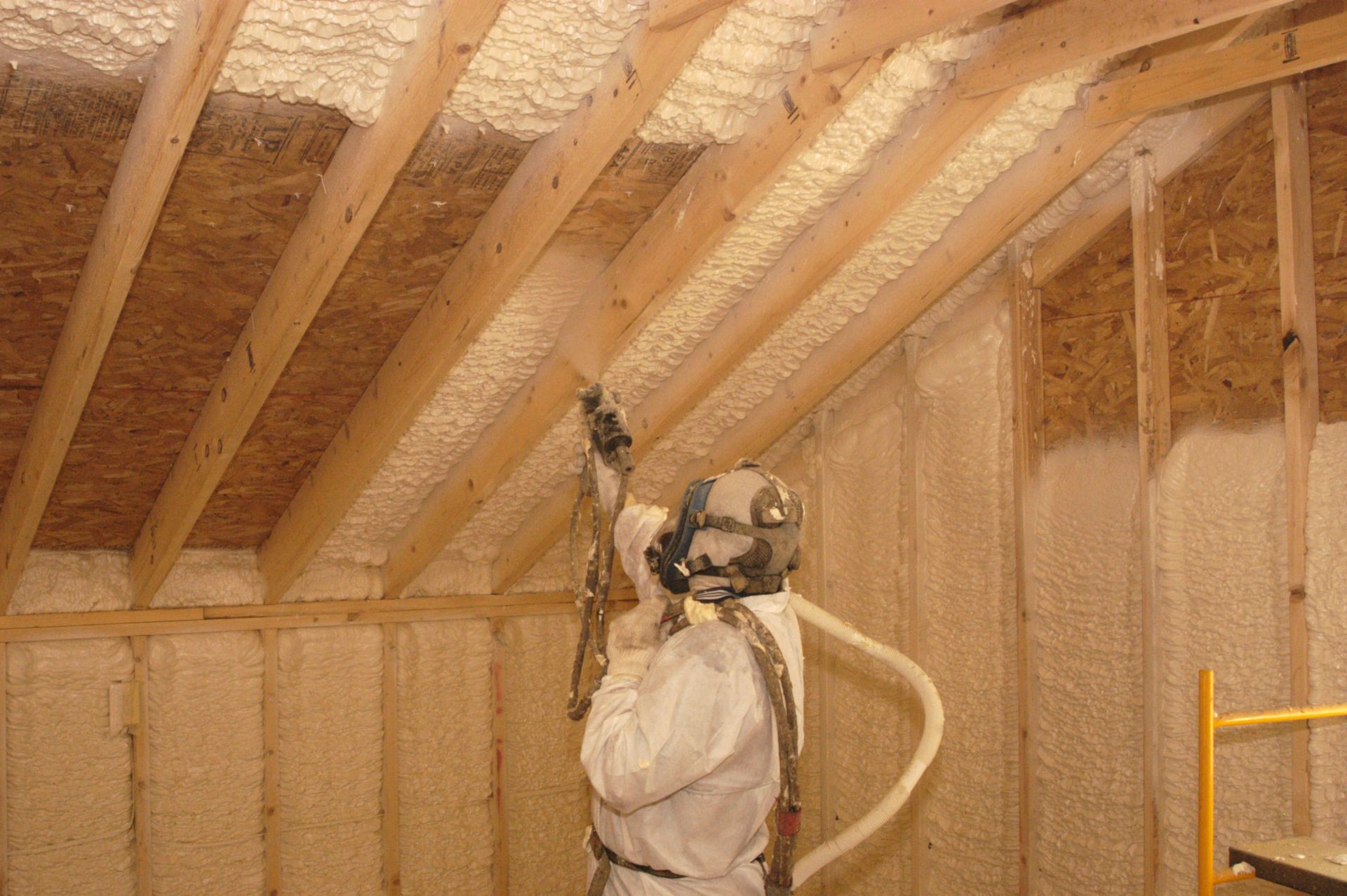
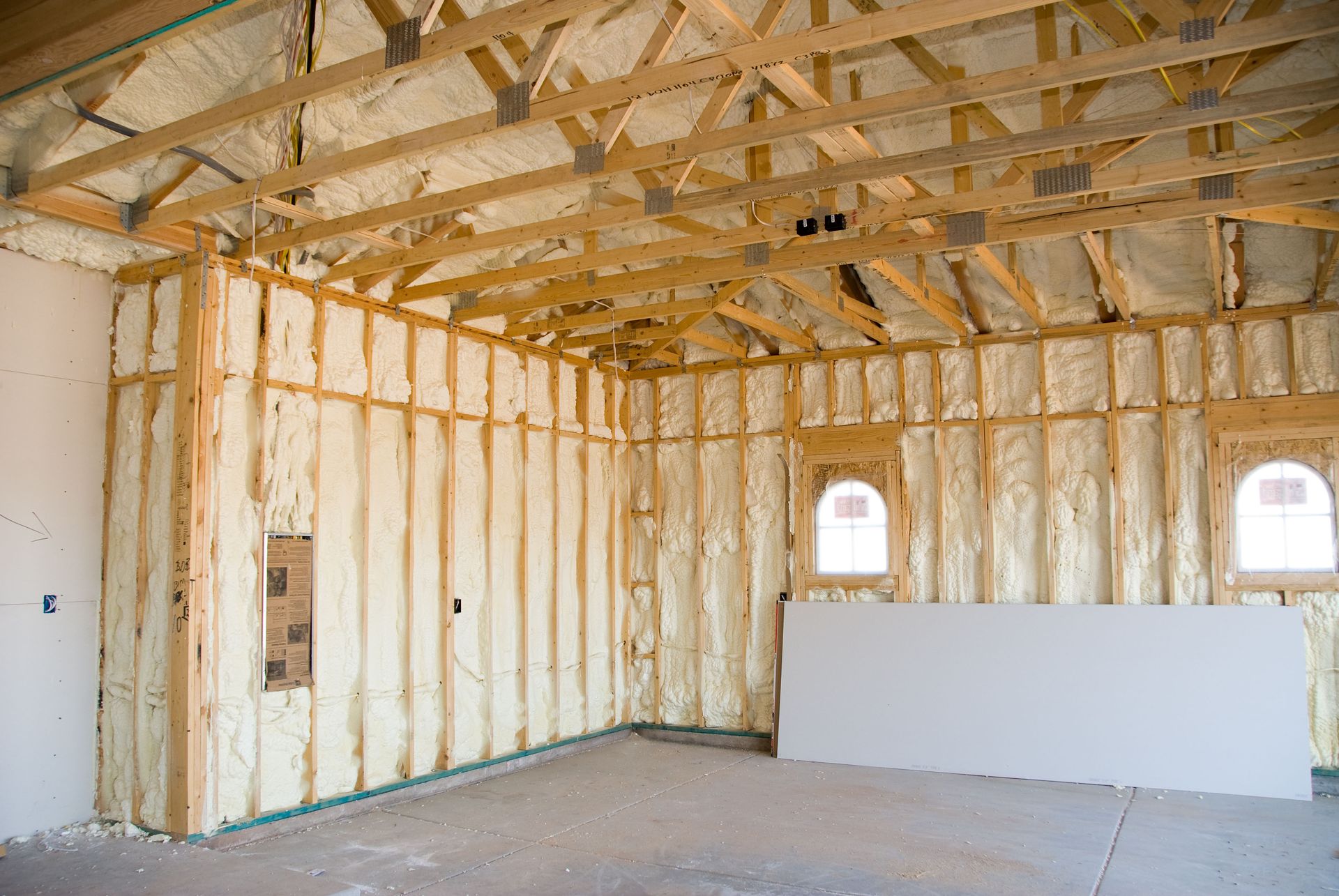
- Spray foam insulation, highly effective for sealing gaps and preventing air leakage, works especially well in tight or hard-to-reach areas. Its expanding nature helps create a durable seal that limits unwanted airflow. When applied thoughtfully, it strengthens the overall insulation system and supports year-round comfort.
Each type serves a different purpose, and the choice depends on the home's layout, energy-loss patterns, and performance goals. According to Energy Central, mineral wool maintains its integrity even at 1,200 degrees Fahrenheit, is noncombustible, and slows the spread of fire by resisting heat flow.
Assessing Specific Areas of Home Energy Needs
A thorough assessment helps determine where insulation improvements will have the greatest impact. Homes may lose energy through attics, exterior walls, crawlspaces, and around openings where air can move freely. Identifying these areas allows contractors to recommend targeted upgrades that maintain comfortable temperatures with reduced strain on heating and cooling systems.
Clarifying Common Misunderstandings About Insulation
Insulation is not only beneficial in cold climates, as it also reduces heat gain in warmer regions. This helps homes stay cooler with less strain on air conditioning systems throughout the warmer months. Even newer homes can benefit from added layers or sealing work when certain areas were not insulated thoroughly.
Guiding Homeowners Through Choosing an Insulation Professional
A positive experience often comes down to clear communication and a contractor who takes time to walk through available options. Understanding the recommended approach, materials, and areas of focus helps homeowners make decisions with confidence and ensures expectations align with final results. Many people appreciate when insulation contractors explain how upgrades in one area may influence conditions throughout the entire home, and this added clarity often helps homeowners feel more prepared during installation.
Enhancing Energy Efficiency Through Strategic Insulation
Identifying High-Impact Areas of Heat Loss
Some parts of a home are naturally more prone to energy loss, especially attics, walls, crawlspaces, and rim joists. These areas often contain gaps, settling insulation, or thin coverage that allows conditioned air to escape. A careful review of these spaces allows insulation contractors to pinpoint where improvements will create meaningful benefits.
Reducing Utility Bills Through Proper Insulation
When insulation reduces heat transfer, heating and cooling systems do not have to work as hard. The result is more stable indoor temperatures and lower energy consumption overall throughout the year. Over time, these improvements can create noticeable savings, especially in areas with significant seasonal temperature swings.
Maintaining Consistent Indoor Temperatures Through Insulation
Efficient insulation keeps temperatures consistent, which helps HVAC systems cycle less frequently. Reducing unnecessary workload can extend equipment life and limit maintenance needs. Even distribution of conditioned air also helps minimize hot and cold spots throughout the home in a reliable way.
Understanding the Importance of R-Values for Performance
R-value measures how well insulation resists heat flow, and it varies by material and climate region. Different parts of a home require different levels of insulation based on exposure to outdoor temperatures. Selecting the appropriate R-value for each area helps insulation contractors boost overall performance and ensure materials function as effectively as possible.
Balancing Costs and Long-Term Energy Benefits
Most homeowners focus on improving the areas that provide the highest return, such as attics or crawlspaces. Targeted upgrades can create impactful changes without requiring a full-home overhaul or major structural work. Considering both upfront costs and long-term energy savings helps guide decisions that support comfort and efficiency for years to come.
Enhancing HVAC Performance With Insulation Upgrades
Inspecting Current Insulation Levels With Thorough Evaluation
Before making improvements, contractors evaluate the type and condition of insulation already in place. They look for settling, compression, gaps, or areas where materials have degraded over time. This process helps insulation contractors determine whether to add more insulation, replace outdated materials, or seal specific problem areas.
Installing Blown-In Insulation for Attics and Walls
Blown-in insulation is a versatile option for enhancing older homes, especially when accessing wall cavities or attic spaces. It fills voids effectively, improves coverage, and reduces air movement through building materials in a subtle and efficient way. Because it adapts well to irregular spaces, it offers minimal disruption while contributing to steadier indoor temperatures.
Applying Spray Foam for Sealing Gaps and Crevices
Spray foam expands to fill cracks and crevices, creating an airtight seal that helps prevent energy loss. It is especially valuable in areas where air leakage is common, including framing transitions, rim joists, crawlspaces, and hard-to-reach corners. This approach strengthens the home's insulation system overall and helps maintain a more consistent indoor environment.
Integrating Fiberglass Insulation for Walls and Open Areas
Fiberglass insulation remains a practical choice for many applications, particularly when reinforcing or supplementing existing materials. It provides reliable thermal performance when installed correctly and supports a more even indoor climate across the home. Because it comes in several forms and thicknesses, it offers flexibility for different types of improvement projects.
Adding Crawlspace Insulation to Reduce Drafts and Moisture Concerns
Crawlspaces are frequently overlooked, yet they influence indoor comfort and energy efficiency in noticeable ways. Insulating these areas helps limit drafts, stabilize temperatures, and reduce the transfer of moisture from the ground into living areas above. Addressing crawlspaces often complements attic and wall upgrades, creating a more balanced and efficient home overall.
Upgrading insulation is one of the most effective ways to enhance comfort and support better energy use without taking on major renovations. From attics and walls to crawlspaces and smaller areas where air movement occurs, thoughtful improvements can help create a more consistent and comfortable environment throughout the home, especially when guided by knowledgeable insulation contractors. For those interested in exploring professional insulation options, Insulation Service encourages homeowners to learn more about how our insulation solutions can strengthen long-term comfort and efficiency.