January 26, 2026
Installing insulation in your home or commercial space can dramatically improve comfort, energy efficiency, and even indoor air quality. However, many homeowners feel uncertain about the process, wondering what to expect from a professional installation. This guide breaks down the steps a local insulation contractor will take during installation, helping you prepare for the project and feel confident in your investment.
Understanding the Importance of Insulation
Before diving into the installation process, it's essential to understand why insulation matters. Insulation acts as a barrier that slows the transfer of heat between your home and the outside environment. Did you know that, according to the Insulation Institute, 89% of United States single-family homes are under-insulated? If your home is part of this statistic, you may struggle to maintain consistent indoor temperatures. With proper insulation, you can reduce your energy bills and minimize the strain on your heating and cooling systems.
There are various types of insulation, including fiberglass batts, blown-in cellulose, and spray foam. Each type has unique properties and benefits, and a professional local insulation contractor can help determine the best solution for your needs. Knowing the type of insulation being installed can also give you insight into what to expect during the installation process.
Step 1: Initial Consultation and Assessment
The first step in professional insulation installation is a thorough assessment of your property. During this consultation, a local insulation contractor will inspect your home or commercial space to identify areas that require insulation or improvement. They will consider factors such as:
- Current insulation levels and types
- Areas with air leaks or drafts
- Energy efficiency goals
- Local climate and building codes
The contractor may also perform a blower door test to measure air leakage or use thermal imaging to identify heat loss areas. This detailed assessment ensures the insulation plan is tailored to your specific property and energy needs.
Step 2: Choosing the Right Insulation Type
After the assessment, the next step is selecting the most suitable type of insulation. Factors to consider include R-value (a measure of thermal resistance), cost, and application method. Common types include:
- Fiberglass Batts: Pre-cut panels that are easy to install in standard stud and joist spacing.
- Blown-In Cellulose: Loose-fill insulation that fills gaps and irregular spaces effectively.
- Spray Foam: Expands on application to seal gaps and provide excellent thermal performance.
Professionals can explain the pros and cons of each type, helping you choose the insulation that fits your budget, performance requirements, and installation area.
Step 3: Preparing the Area
Before installation begins, your local insulation contractor will prepare the space. This may involve clearing the area of furniture or other obstacles, covering surfaces to protect them from dust, and sealing any large gaps or cracks to prevent heat loss. For attic installations, this often means ensuring the attic floor is clear and any existing insulation issues are addressed.
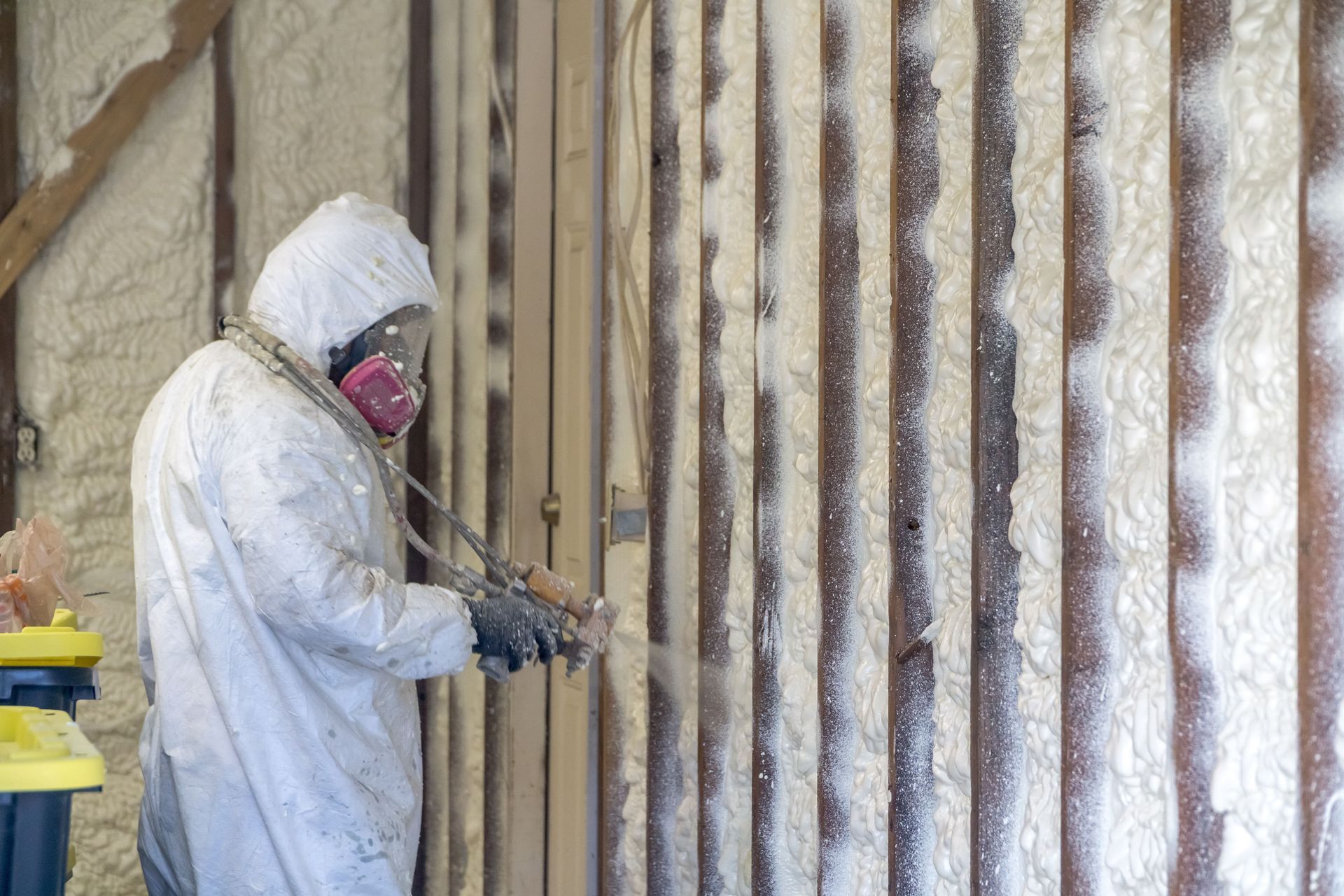
Safety is also a key consideration. Professionals use personal protective equipment (PPE) such as gloves, goggles, and respirators to prevent exposure to dust and fibers during installation.
Step 4: Installation Process
The installation method varies depending on the insulation type, but the overall goal remains the same: creating an effective barrier to heat transfer. Here’s a closer look at common installation methods:
Fiberglass Batts Installation
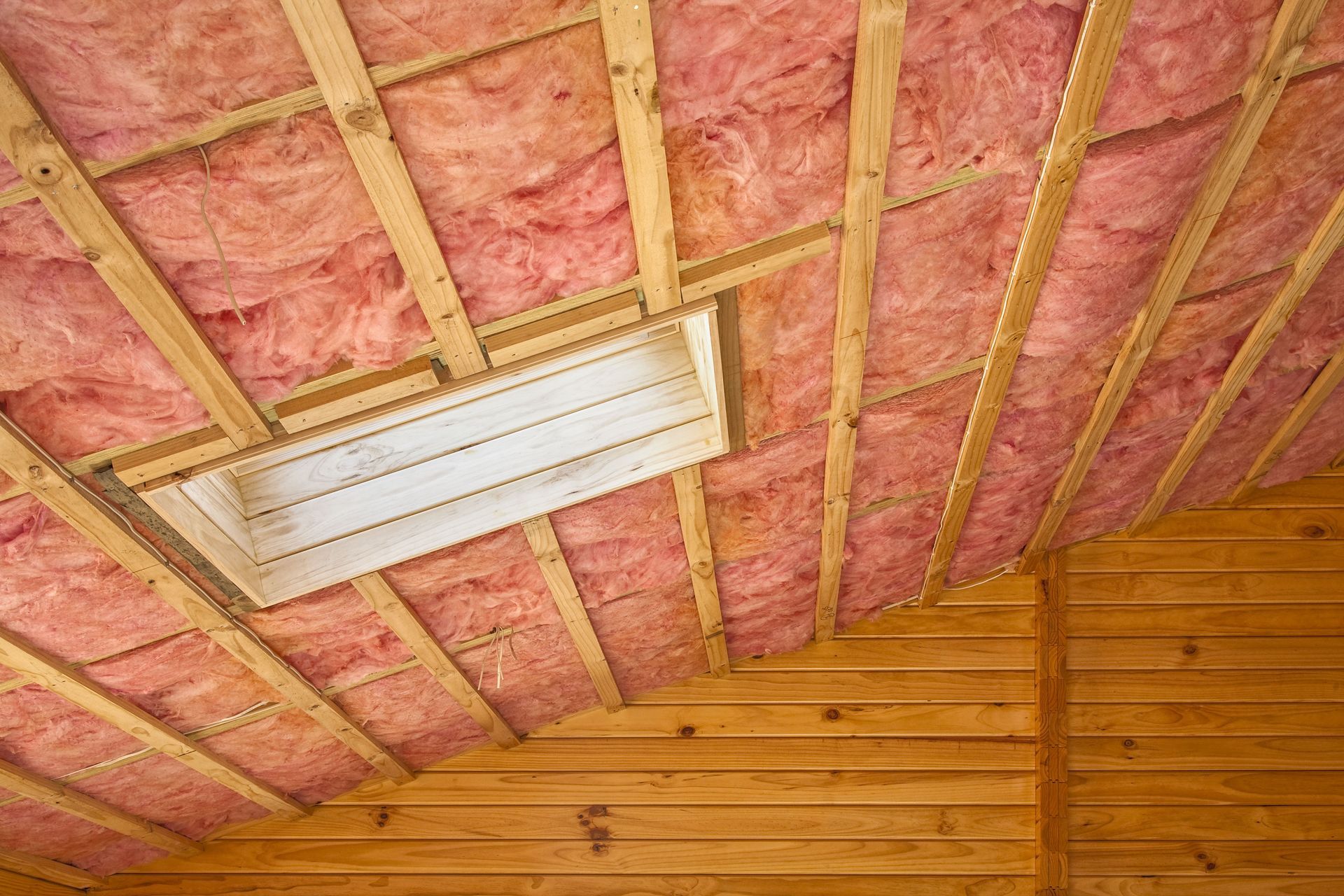
Fiberglass batts are carefully fitted between wall studs, floor joists, or ceiling rafters. Installers ensure there are no gaps or compressed areas, as this can reduce the insulation’s effectiveness. Batts are cut to fit around obstacles like wiring or plumbing, and staples or friction fit are used to secure them in place.
Blown-In Cellulose Installation
Blown-in insulation is delivered using a machine that sprays loose-fill material into cavities or attic spaces. Professionals monitor the density and coverage to ensure the insulation fills every nook and cranny without settling unevenly. This method is especially effective for irregular or hard-to-reach spaces.
Spray Foam Installation
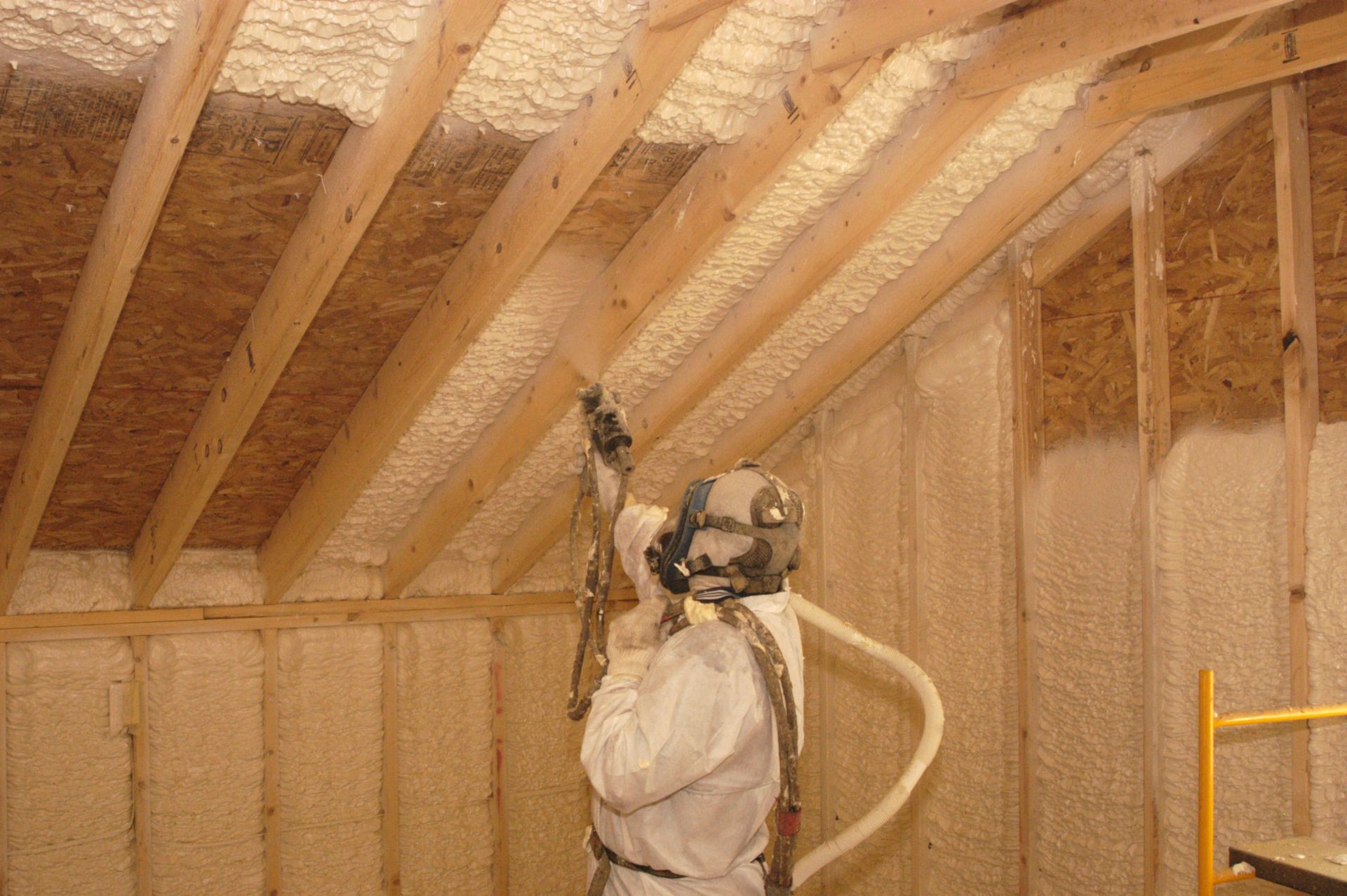
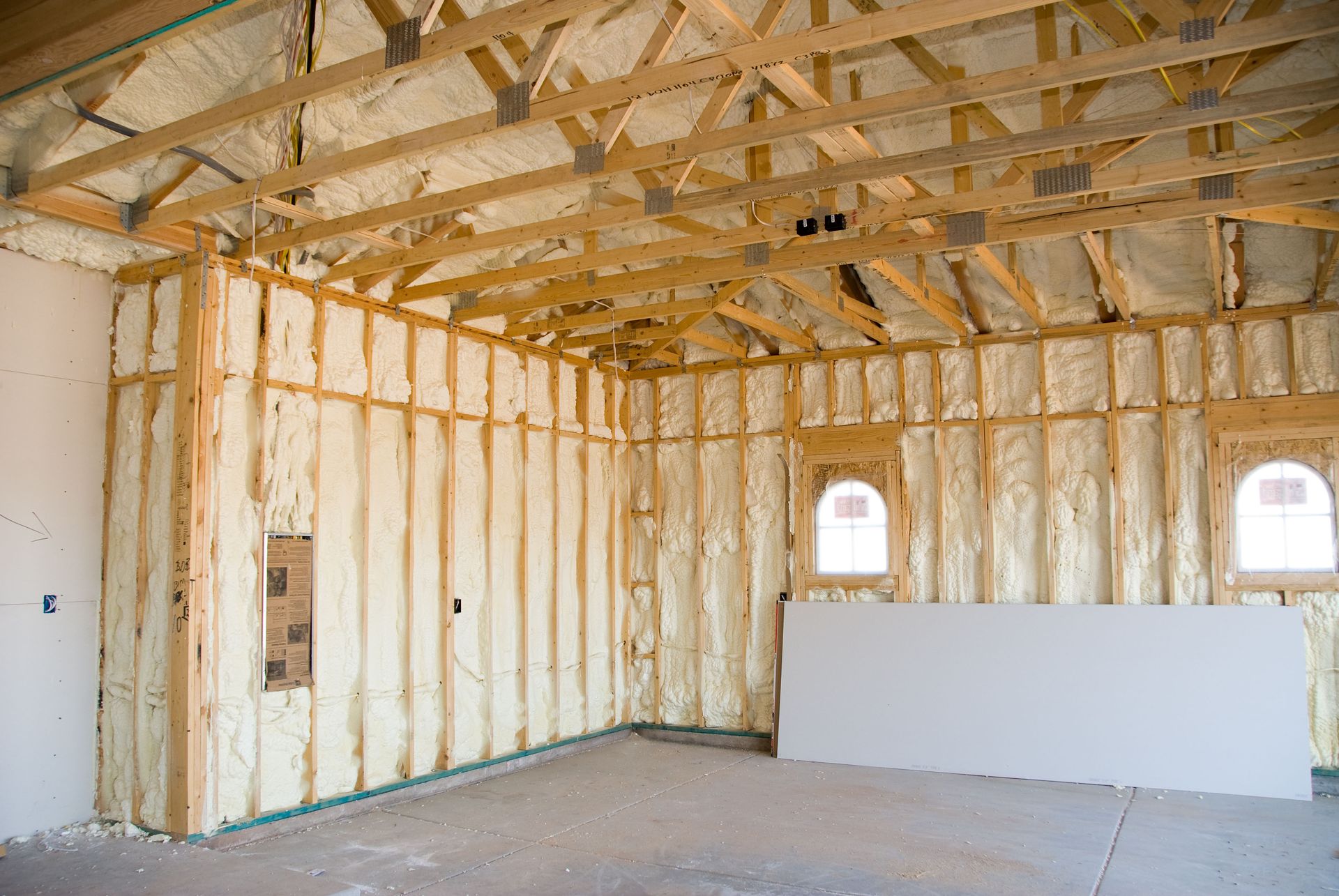
Spray foam is applied using specialized equipment that mixes two chemical components to expand and harden upon contact. It’s ideal for sealing gaps and providing a continuous air barrier. A professional local insulation contractor will carefully control the application to ensure uniform coverage.
Step 5: Quality Checks and Adjustments
Once the insulation is installed, professionals perform quality checks to ensure optimal performance. They verify that all gaps are filled, insulation is properly secured, and R-values meet project specifications. For blown-in or spray foam insulation, installers may measure depth and density to confirm consistent coverage.
If any areas are missed or uneven, adjustments are made immediately. This ensures the insulation delivers maximum energy efficiency and comfort for your home or business.
Step 6: Cleaning and Post-Installation Preparation
After installation, the area is thoroughly cleaned to remove dust, debris, or insulation fragments. Protective coverings are removed, and any displaced furniture or items are returned to their original locations. A professional local insulation contractor will also provide guidance on how to maintain the insulation and identify signs of potential issues in the future.
Step 7: Final Inspection and Documentation
Many professional insulation services include a final inspection to confirm that installation meets all industry standards and building codes. Contractors may provide documentation of the insulation type, R-value, and areas covered, which can be useful for energy audits, insurance, or future home improvements.
Some installations may also be eligible for rebates or tax incentives. Your local insulation contractor can provide information on applicable programs and help ensure you receive any available benefits.
Benefits of Hiring a Professional Local Insulation Contractor for Installation
Hiring a professional for insulation installation offers numerous advantages that go far beyond simply adding a layer of material to your walls, attic, or floors. One of the most immediate benefits is proper installation. Professionals have the training, experience, and tools necessary to ensure that insulation is installed correctly, avoiding common issues like gaps, compression, or uneven coverage that can drastically reduce effectiveness. Proper installation ensures that your home or building receives maximum energy efficiency, allowing heating and cooling systems to operate more effectively and reducing monthly utility bills.
In addition to financial savings, well-installed insulation significantly enhances comfort. By maintaining consistent indoor temperatures, minimizing drafts, and creating a more stable environment, it makes living spaces more enjoyable year-round. Another important advantage is improved indoor air quality. Professional installers not only place insulation correctly but also address air leaks and gaps that can allow dust, pollen, and moisture to infiltrate your home. This can lead to a healthier environment, particularly for individuals with allergies or respiratory concerns. Long-term durability is another key benefit. High-quality insulation installed by experts is designed to last for decades without losing performance, providing a lasting return on investment.
Additionally, professionally installed insulation can increase the overall value of your property, making it more attractive to potential buyers if you ever decide to sell. Many professionals also ensure that their work meets building codes and industry standards, giving you peace of mind that the installation is safe, effective, and compliant.
By hiring a skilled local insulation contractor, you can enjoy the full benefits of properly installed insulation. Not only will your home feel more comfortable year-round, but you’ll also experience lower energy bills, improved indoor air quality, and increased property value. Our team at Insulation Service serves homeowners and businesses in Mattoon, IL and throughout Central IL. Our local, veteran-owned company has years of experience and is fully insured. Contact us today for a free estimate!